- FACTOR I DEFICIENCY (Afibrinogenemia)
- FACTOR II DEFICIENCY (Prothrombin)
- FACTOR V DEFICIENCY (Parahemophilia, Labile factor or Proaccelerin Deficiency)
- FACTOR VII DEFICIENCY (Proconvertin or Stable Factor)
- FACTOR X DEFICIENCY (Stuart Prower Factor)
- FACTOR XI DEFICIENCY (Hemophilia C, Plasma Thromboplastic Antecedent or Rosenthal Syndrome)
- FACTOR XII DEFICIENCY (Hageman Factor)
- FACTOR XIII DEFICIENCY (Fibrin Stabilizing Factor)
FACTOR I DEFICIENCY (Afibrinogenemia)
(With thanks to NHF for this information)
What Is It?
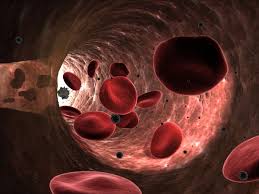 Fibrinogen, also known as factor I, is needed for most types of platelet aggregation. It’s the last step in the clotting process the “glue” that holds the clot together. People who have a factor I deficiency have a combined bleeding and clotting disorder, meaning that both platelets and clotting are abnormal. Since its discovery in 1920, there have only been about 200 cases of this disorder.
Included under factor I deficiency are several rare coagulation disorders known as congenital fibrinogen defects. They include:
- afibrinogenemia
- hypofibrinogenemia
- dysfibrinogenemia
The first two are called quantitative abnormalities because they have to do with an absent or low quantity of fibrinogen. The third is called a qualitative abnormality because the fibrinogen does not work well.
Afibrinogenemia is the complete absence of fibrinogen. Hypofibrinogenemia is a low level of fibrinogen (less than 100mg in 1dL of blood). Both conditions are inherited in an autosomal fashion and can affect males and females.
The severity of the disorder is related to the amount of fibrinogen. Afibrinogenemia is usually discovered in newborns and can cause bleeding from the umbilical cord, genitourinary tract or central nervous system. People with hypofibrinogenemia may have little, moderate or severe bleeding.
Dysfibrinogenemias are due to variations in the factor I molecule. More than 70 different types of dysfibrinogenemia have been identified.
Inheritance Pattern
 The disorder is not sex-linked as is hemophilia. It affects both males and females with equal frequency. It is autosomal recessive, which means that if the clotting defect is inherited from a parent, the child will be a genetic carrier of the condition, but may or may not have symptoms.
Symptoms and Diagnosis
Few people who have any of these disorders suffer symptoms, although some are predisposed to form blood clots (thrombosis).
Treatments
 Many people with hypofibrinogenemia or dysfibrinogenemia need no treatment. Those who require treatment may be given cryoprecipitate or fresh frozen plasma. Anticoagulants are sometimes prescribed to reduce the risk of thrombosis. The goal of treatment is to raise the patient’s fibrinogen level to 100 mg/dL for minor bleeding and up to 200 mg/dL for surgery or severe bleeding. (One unit of fresh frozen plasma has about 450 mg of fibrinogen.)
Complications
Plasma levels of fibrinogen exceeding 1,000 mg/dL have been reported to possibly increase the risk of thrombosis. In women, menstrual bleeding can be a severe problem and must be controlled.
FACTOR II DEFICIENCY (Prothrombin)
What Is It?
Prothrombin is a vitamin K-dependent proenzyme that functions in coagulation. There are two types of this deficiency, a congenital version called hypoprothrombinemia, and an acquired version called dyspothrombinemia.
A life-long bleeding disorder when congenital, factor II deficiency is extremely rare. In fact, only 30 cases of this hereditary clotting factor defect have been identified in the whole world.
Acquired factor II deficiency is more common. It results from vitamin K deficiency, severe liver disease and therapeutic use of anticoagulant drugs. Risk factors for vitamin K deficiency are prolonged use of antibiotics, bile duct obstruction and intestinal malabsorption (inadequate absorption of nutrients from the intestinal tract) disorders. Some newborns are born with vitamin K deficiency.
If the deficiency is caused by liver disease, the outcome depends on control of the liver problem. Vitamin K administration will correct vitamin K deficiency.
Either form may lead to severe bruising, excessive menstrual bleeding, postoperative hemorrhage and occasional muscle bleeds.
Inheritance Pattern
A congenital factor II deficiency is a very rare inherited disorder that results in deficient blood clotting. The disorder is not sex-linked as is hemophilia. It affects both males and females with equal frequency. It is autosomal recessive, which means that if the clotting defect is inherited from a parent, the child will be a genetic carrier of the condition, but may or may not have symptoms. A family history of bleeding disorder is a risk factor.
Symptoms and Diagnosis
Signs and symptoms vary with the level of prothrombin. Patients with levels greater than 50% of normal have no bleeding problems, whereas people with levels from 2% to 50% may easily bruise or suffer from epistaxis, menorrhagia, muscle hemorrhages, postpartum hemorrhages and hemorrhage following surgery and trauma.
Symptoms include:
- umbilical cord bleeding at birth
- nose bleeds
- abnormal menstrual bleeding
- abnormal bleeding after delivery
- bleeding after trauma
- bleeding after surgery
- easy bruising
Signs and Tests:
- prolonged prothrombin time
- prolonged partial thromboplastin time
- factor II assay showing decreased activity
- levels of prothrombin ranging from 2% to 50% of normal
Treatments
Treatment depends on the severity of the disorder and the type of bleeding. Mild cases may be treated with plasma infusion. Loss of blood can be controlled by infusions of fresh frozen plasma. Severe factor II deficiencies may be treated with prothrombin complex concentrates (PCCs). When necessary, it can be treated with plasma replacement therapy. Effective control of a hemorrhage is achieved when prothrombin levels are at 30% to 50% of normal.
Genetic counseling may be helpful in the case of congenital disorders. The use of vitamin K in malabsorption and long-term antibiotic use may be preventative.
If the disorder is caused by vitamin K deficiency, then vitamin K is prescribed. Diagnosis of a bleeding disorder is important so that precautionary measures can be taken if surgery is needed or anticipated.
The National Hemophilia Foundation’s Medical and Scientific Advisory Council (MASAC) made recommendations for treatment of factor II deficiency in November of 1999. They include:
- Prothrombin complex concentrates (PCCs) can be used, but these products vary considerably in the amount of factors they contain.
- Fresh frozen plasma can be used as along as it is processed to reduce the risk of viral infection.
Complications
Bleeding has to be controlled in instances of trauma or surgery, or else bleeding into the brain or skull can occur.
FACTOR V DEFICIENCY (Parahemophilia, Labile factor or Proaccelerin Deficiency)
What Is It?
Factor V deficiency is also known as Owren’s disease or parahemophilia. This deficit was identified in Norway in 1943. Since then about 150 cases have been reported, occurring in both men and women. The exact frequency of this rare disorder is unknown, but is estimated to be one per 1 million.
The role of factor V is to accelerate the activity of thrombin. When levels of factor V are low, blood clotting is delayed or it progresses slowly. People with this deficiency may have occasional nosebleeds, excessive menstrual bleeding and bruising; although, many have no symptoms. The first sign of this condition may be bleeding following surgery.
In this disorder, bleeding ranges from mild to severe. The disease is similar to hemophilia, except that bleeding into joints is uncommon. Bleeding can occur almost anywhere in the body, and death from hemorrhage has occurred with this disorder. Excessive bleeding with menstrual periods and postpartum hemorrhage occurs frequently.
A family history of a bleeding disorder is a risk factor. Men and women are affected equally.
The probable outcome is good with proper diagnosis and treatment.
Inheritance Pattern
The disorder is not sex-linked as is hemophilia. It affects both males and females with equal frequency. It is autosomal recessive, which means that if the clotting defect is inherited from a parent, the child will be a genetic carrier of the condition, but may or may not have symptoms.
Several families with combined deficiencies of factors V and VIII have been reported.
Symptoms and Diagnosis
Symptoms include:
- bleeding into the skin
- excessive bruising with minor injuries
- nose bleeds
- bleeding of the gums
- excessive menstrual bleeding
- prolonged or excessive loss of blood with surgery or trauma
Diagnosing the deficiency involves tests and signs such as:
- factor V assay showing decreased activity
- slightly prolonged bleeding time (in some people)
- prolonged partial thromboplastin time
- prolonged prothrombin time
Treatments
There are no commercially available concentrates of factor V, so fresh plasma or fresh frozen plasma infusions are used to correct the deficiency temporarily and should be given daily during a bleeding episode. Other plasma is not given because factor V deteriorates very rapidly. The half-life of factor V is 24 hours.
This is an inherited disorder; there is no known prevention.
Complications
Dangerous hemorrhaging can occur if bleeding isn’t controlled quickly. If platelets are used as a source of factor V, antiplatelet antibodies can be induced.
FACTOR VII DEFICIENCY (Proconvertin or Stable Factor)
What Is It?
This extremely rare disorder can be inherited or acquired by people who do not have hemophilia who take Coumadin, a drug used to inhibit blood clotting.
With this disorder, bleeding can vary from mild to severe within the same person over time. Bleeding doesn’t always correspond with the severity of the deficiency shown in blood tests. A history of bleeding may occur in infancy or childhood. Gastrointestinal and central nervous system bleeding can also occur.
This disorder occurs in one in 500,000 males and females. Congenital factor VII deficiency should be distinguished from acquired factor VII deficiency, which may result from liver disease, vitamin K deficiency or other malabsorption conditions.
When levels of the factor are less than 1% of normal, bleeding can be severe. The trauma of birth may cause bleeding in the head of a newborn. Circumcision may cause prolonged bleeding. Children and adults may suffer bleeding from nose, gums or gastrointestinal tract, and women may suffer excessive menstrual bleeding.
The probable outcome is good with proper treatment.
Inheritance Pattern
The disorder is not sex-linked as is hemophilia. It affects both males and females with equal frequency. It is also autosomal recessive, which means that if the clotting defect is inherited from a parent, the child will be a genetic carrier of the condition, but may or may not have symptoms. Those who have inherited a defective factor VII gene from only one parent will usually have only moderate levels of the factor but no symptoms.
Symptoms and Diagnosis
Severity of bleeding episodes depends on the degree of the severity of the defect. Symptoms include:
- bleeding of mucous membranes
- spontaneous nosebleeds
- excessive bruising
- prolonged menstrual bleeding
- bleeding into muscles
- bleeding into joints
Diagnosis is made by testing for factor VII in the blood. Signs and tests include:
- prolonged prothrombin time
- normal partial thromboplastin time
- decreased factor VII assay
Treatments
Bleeding episodes can be controlled with normal plasma or concentrates containing factor VII. Severe bleeding may be treated with fresh frozen plasma or Prothrombin complex concentrates (PCCs). Because the life span of infused factor VII is very short (two to four hours), patients may require treatment every two to six hours for severe bleeding or surgery. Menstrual bleeding can be controlled by the use of oral contraceptives.
Note that factor VII concentrate is sold only in Europe, but is available in the US on a compassionate basis from the manufacturer (Immuno Ag).
The National Hemophilia Foundation’s Medical and Scientific Advisory Council (MASAC) made recommendations for treatment of Factor VII deficiency in November of 1999.
They include:
- Recombinant factor VIIa (NovoSeven), which was recently licensed in the US and is produced by baby hamster kidney cells. No human albumin is used.
- Prothrombin complex concentrates (PCCs) can be used, but these products vary considerably in the amount of factors they contain.
- Fresh frozen plasma can be used as along as it is processed to reduce the risk of viral infection.
Complications
These can include hemorrhages, strokes or other neurological problems related to central nervous system bleeding. Fatal intracranial bleeding caused by birth trauma has occurred. Menstrual bleeding may also be severe.
FACTOR X DEFICIENCY (Stuart Prower Factor)
What Is It?
Factor X deficiency ranks similarly to factor II as one of the rarest inherited clotting disorders, with only about 50 reported cases. Factor X is a vitamin K-dependent clotting factor in the blood. It was first discovered in a man named Stuart from the mountains of North Carolina. He was originally thought to have factor VII deficiency, but then a woman named Prower was found to have a similar clotting abnormality, and the new factor X was discovered.
In factor X disorder, bleeding ranges from mild to severe. Severity ranges on the level of factor X clotting activity. Women may have severe menstrual bleeding and postpartum hemorrhage. The incidence ranges from 1 out of 500,000 to 1 out of 1,000,000 people. Newborns may present with prolonged bleeding after circumcision. People with factor activity that is less than 1% of normal are susceptible to severe bleeding. Those with 10% or more are only mildly effected.
Some cases are due to reduced or absent synthesis of the molecule. In other cases, the number of molecules is normal, but they don’t work properly. Several genetic variations of factor X deficiency of varying severity have been described.
Even more uncommon than the congenital form of factor X deficiency is the acquired form. It has occasionally developed in patients with liver disease, vitamin K deficiency, amyloidosis, myeloma, leprosy, mycoplasma infections, various tumors and exposure to the fungicide methylbromide.
Factor X levels have been shown to increase during pregnancy, but aggressive replacement therapy is needed for pregnant women or women with a severe deficiency and a history of early and recurrent miscarriage.
Inheritance Pattern
This is an extremely rare inherited disorder. It is not sex-linked as is hemophilia. It affects both males and females with equal frequency. It is autosomal recessive, which means that if the clotting defect is inherited from a parent, the child will be a genetic carrier of the condition, but may or may not have symptoms.
Even more rarely, factor X deficiency may also be acquired, as described above.
Symptoms and Diagnosis
As mentioned, severity of bleeding complications depend on the level of factor X clotting activity. Symptoms include:
- nose bleeds
- the loss of blood into joints
- muscle bleeding
- mucous membrane bleeding
- frequent bruising
- gastrointestinal bleeding
- excessive menstrual bleeding
Muscle and intracranial bleeding may be severe. Women with factor X deficiency may have problems controlling menstrual bleeding and are susceptible to first-trimester miscarriage.
Diagnostic signs and tests include:
- prolonged prothrombin time
- prolonged partial thromboplastin time
- factor X assay
Treatments
Bleeding episodes are usually managed by infusion of fresh frozen plasma, factor X concentrates or Prothrombin complex concentrates (PCCs). The half-life of factor X is 24 to 40 hours. Factor levels of 10% to 40% are considered the minimum to prevent bleeding.
Complications
Severe bleeding or hemorrhage can occur. Loss of blood may be life threatening
FACTOR XI DEFICIENCY (Hemophilia C, Plasma Thromboplastic Antecedent or Rosenthal Syndrome)
What Is It?
Factor XI deficiency is a very rare bleeding disorder, occurring in an estimated one in 100,000 Americans. It has more variable bleeding tendencies than hemophilia A and B, and people with the disorder usually don’t bleed into joints and muscles, as in hemophilia. The disorder is usually only mild, and is typically provoked by surgery.
Factor XI is a protein that helps blood clot and is activated by thrombin. Deficiencies occur rarely, and in all racial groups, but it is particularly common in Ashkenazi Jews. These are primarily Jews of eastern European ancestry, and the relationship is presumably because intermarriage within this closed group, generation after generation, allowed the defective gene to surface more frequently.
In the US, most cases are found in New York and Los Angeles. Approximately 200 cases of factor XI deficiency have been reported since it was identified in 1953. Ever since, the deficiency has been a puzzle because of its variable bleeding symptoms in different patients?even at different points in their lives and with different injuries and surgeries.
Three different genetic mutations have been identified, and a person’s particular mix of these influences their bleeding tendencies.
Inheritance Pattern
The disorder is not sex-linked as is hemophilia. It affects both males and females with equal frequency. It is an autosomal recessive disorder, which means that if the clotting defect is inherited from a parent, the child will be a genetic carrier of the condition, but may or may not have symptoms. Severity of symptoms can be unpredictable between members and carriers of the same family.
Symptoms and Diagnosis
Most patients with factor XI deficiency have little or no bleeding. Often there is no correlation between bleeding episodes and the level of factor. Unlike hemophilia, there is no spontaneous bleeding into joints and muscles. Many patients are difficult to classify because some bleed excessively after some surgical procedures but not others. Even in individual patients, bleeding tendencies can be unpredictable. People with factor XI deficiency should know that surgical procedures involving areas with high contents of plasminogen activator, a substance that breaks up clots, are associated with prolonged bleeding. These include dental extractions, tonsillectomies, surgery in the urinary and genital tracts and nasal surgery.
If you have factor XI deficiency, chances are your symptoms are milder than those of either hemophilia A or hemophilia B, and there may be no strong relationship between your factor XI levels and bleeding complications. You may be prone to bruising, nose bleeds or blood in your urine. Prolonged bleeding after childbirth can occur. You are not likely to bleed spontaneously, and hemorrhaging is usually a problem only after an injury or surgery. Joint bleeds are uncommon, but delayed bleeding (starting an unexpectedly long time after an injury) may be a problem.
Factor XI deficiency varies often in clinical presentation. One reason is that some patients have additional coexisting blood abnormalities, such as von Willebrands disease.
Because it’s so common among Ashkenazi Jews (found in around 8% of the population), it is a common practice in Israel to screen every surgery patient for factor XI deficiency.
A specific factor XI assay is required for diagnosis.
Treatments
People with factor XI deficiency may need specific therapy for surgery, accident trauma and dental extractions. Several treatments are available, including fresh frozen plasma, factor XI concentrates, fibrin glue, antifibrinolytic drugs and desmopressin. Aminocaproic acid works well following tooth extractions. Each has advantages and risks that should be considered.
There is no commercially available factor XI concentrate currently licensed for use in the US at this time.
In the event of major surgery, factor XI-deficient patients with levels less than 10% of normal may be treated with plasma prior to surgery, or plasma may be infused during surgery. The plasma half-life of factor XI is approximately 80 hours.
Complications
Because the deficiency is so unpredictable, clinical management of it is difficult. Bleeding may occur days after a dental extraction or a surgery. It’s also very difficult to identify in advance individuals with the deficiency who are likely to bleed.
Factor XI antibodies can cause significant inhibition and clinical problems. So it is important before elective surgery where plasma products are used that all patients are screened for inhibitors. Fresh frozen plasma carries a risk of infectious viruses and can be avoided by using heat-treated concentrate or solvent-detergent plasma. Note that factor XI concentrate is not commercially available in the US.
Because considerable amounts of plasma are needed to maintain the factor XI level, it stresses the heart and can cause side effects such as migraines. Other plasma contaminants can cause allergic reactions.
FACTOR XII DEFICIENCY (Hageman Factor)
What Is It?
First described in 1955, after routine blood tests before surgery on a man named John Hageman, factor XII deficiency is a very rare bleeding disorder. As a group, Asians are born with the deficiency more than any other ethnic group.
The deficiency is somewhat of a medical mystery. It does not cause abnormal bleeding, even with major surgical procedures. The hallmark of severe factor XII deficiency is prolonged APTT – usually more than 100 seconds in a patient with no history of bleeding.
The outcome is expected to be good even without treatment.
Inheritance Pattern
The disorder is not sex-linked as is hemophilia. It affects both males and females with equal frequency. It is an autosomal recessive disorder, which means if the clotting defect is inherited from a parent, the child will be a genetic carrier of the condition, but may or may not have symptoms.
Symptoms & Diagnosis
There are usually no symptoms for factor XII deficiency. Diagnostic signs and tests include:
- Prolonged partial thromboplastin time
- Abnormal factor XII assay
Treatments
Because hemorrhaging and excessive bleeding are not associated with the deficiency, treatment is generally unnecessary.
Complications
There are usually no complications. However, it’s been suggested that factor XII deficiency may predispose to thrombosis.
FACTOR XIII DEFICIENCY (Fibrin Stabilizing Factor)
What Is It?
This is perhaps the rarest of all factor deficiencies, affecting just one in several million. A hallmark of this rare inherited deficiency is poor wound healing and abnormal scar formation. The reason is that factor XIII “fibrin stabilization factor” is necessary for clot formation and wound healing. Factor XIII is responsible for clot stabilization and cross linking of the fibrin polymer in blood. A clot will form in the absence of factor XIII, but it will be unstable.
Factor XIII deficiency is a severe bleeding disorder usually associated with trauma. Typically, it’s discovered in newly-born babies who suffer recurrent bleeding from the umbilical stump and hemorrhages after circumcision.
Severely affected patients have a high incidence of intracranial hemorrhage with little or no trauma. Affected women often experience spontaneous abortion unless treated with plasma replacement therapy. Bleeding in surgery is not excessive, but delayed bleeding can occur.
Inheritance Pattern
The disorder is not sex-linked as is hemophilia. It affects both males and females with equal frequency. It is an autosomal recessive disorder, which means if the clotting defect is inherited from a parent, the child will be a genetic carrier of the condition, but may or may not have symptoms.
Symptoms & Diagnosis
The most common clinical symptom, seen in over 80% of cases, is bleeding from umbilical stump after birth and prolonged bleeding from trauma. Bleeding episodes are usually lifelong and include severe bruising, hematomas, and prolonged bleeding after trauma.
Characteristically, bleeding is delayed for several hours or days after trauma. Hemorrhage into the brain or spinal cord area is more common than in other inherited coagulation disorders and can be life-threatening. Plasma replacement is given to pregnant women to prevent spontaneous abortions.
Without replacement therapy, patients in later life frequently sustain superficial bruising, epistaxes, hematoma in muscles and joints, and intracranial hemorrhage.
Specific factor XIII assays are needed to confirm a diagnosis of this deficiency. Usual tests of coagulation give normal results.
Treatments
Deficiency of factor XIII can be corrected with infusions of fresh frozen plasma, cryoprecipitate, or factor XIII concentrates. Because of the high incidence of intracranial bleeding and spontaneous abortions, prophylaxis is often recommended. Minimal factor XIII activity?as little as 5%?is required to prevent bleeding complications.
A plasma-derived, pasteurized factor VIII concentrate is produced by Behringwerke in Germany, but is not licensed for use in the U.S. The half-life of factor XIII is around 10 days.
The National Hemophilia Foundation’s Medical and Scientific Advisory Council (MASAC) made recommendations for treatment of factor XIII deficiency in November of 1999. They include:
- Fibrogammin P, a plasma-derived factor XIII concentrate, though it is not yet licensed in the U.S.
Complications
With factor XIII deficiency, women have an increased risk of miscarriage